

AI in Action

Make routine work flow.

Reduce the copying, chasing and rekeying between your systems. We help businesses and charities automate suitable work while keeping exceptions, approvals and operational ownership clear.
Discuss a workflow
A document scanner processing paperwork in an organised workspace
Understand the process
Map the work before choosing an automation tool.

Look at the trigger, inputs, decisions, handovers and exceptions. Remove unnecessary steps before reproducing them in software.

Choose the right method
Use rules where rules are enough.

Compare configuration, APIs, workflow tools, RPA and AI-assisted steps against the requirement. AI should have a defined role rather than being added to every task.

Keep failures visible
Automation needs a recovery path.

Agree validation, retries, alerts and a place for exceptions to be reviewed. Keep consequential actions behind the approvals the process requires.

Understand the process

Map the work before choosing an automation tool.

Look at the trigger, inputs, decisions, handovers and exceptions. Remove unnecessary steps before reproducing them in software.

Colleagues connecting software systems into a shared workflow
A colleague comparing options before choosing the next step
Choose the right method

Use rules where rules are enough.

Compare configuration, APIs, workflow tools, RPA and AI-assisted steps against the requirement. AI should have a defined role rather than being added to every task.

Keep failures visible

Automation needs a recovery path.

Agree validation, retries, alerts and a place for exceptions to be reviewed. Keep consequential actions behind the approvals the process requires.

Colleagues reviewing progress at defined checkpoints
Workflow automation

Automation that fits the whole workflow.

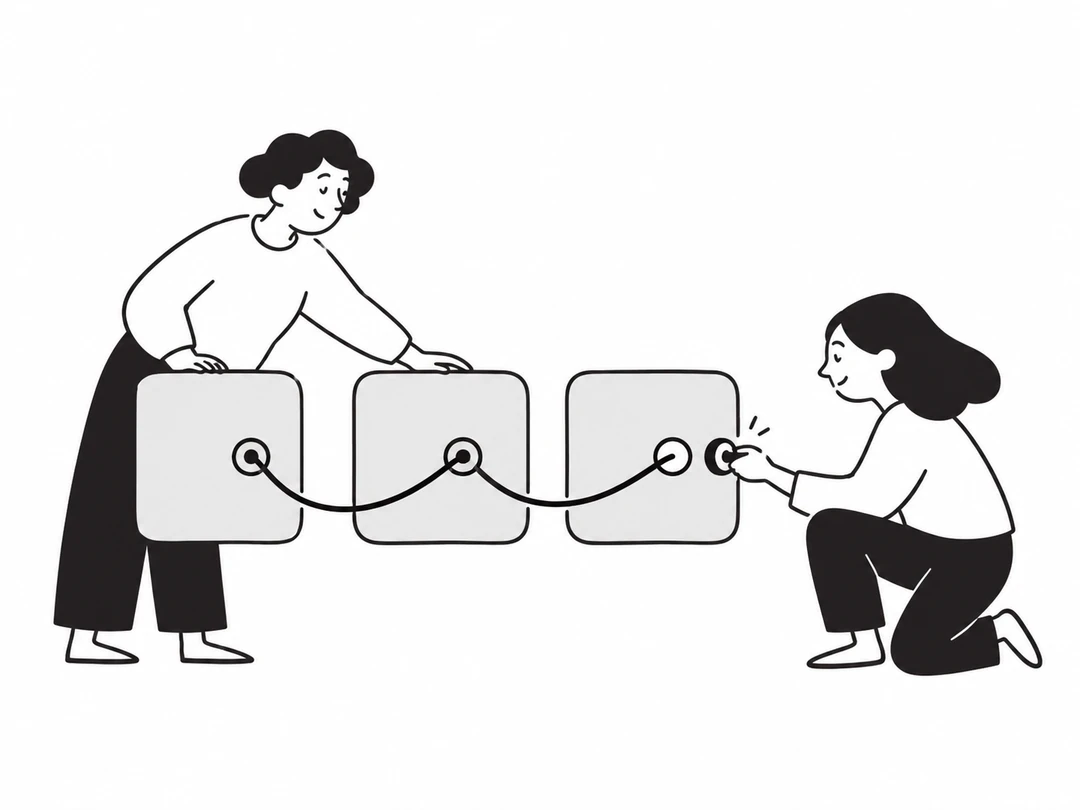
Colleagues connecting software systems into a shared workflow
From repeated task to supported process.
  • Process design: Triggers, rules, approvals, handovers and exceptions.
  • Implementation: System connections, data validation and suitable automation methods.
  • Operational control: Monitoring, recovery, documentation and ownership.

We agree a bounded process, baseline measures and acceptance criteria. Delivery covers the connections and operating arrangements as well as the automated steps.
Work with existing systems

Assess APIs and supported integration routes first. Where screen-based automation is necessary, account for interface changes and the support it will need.

A colleague comparing options before choosing the next step
Measure the actual change

Compare handling time, rework, waiting and exception rates with the starting point. Include operating costs and maintenance when deciding whether to expand.

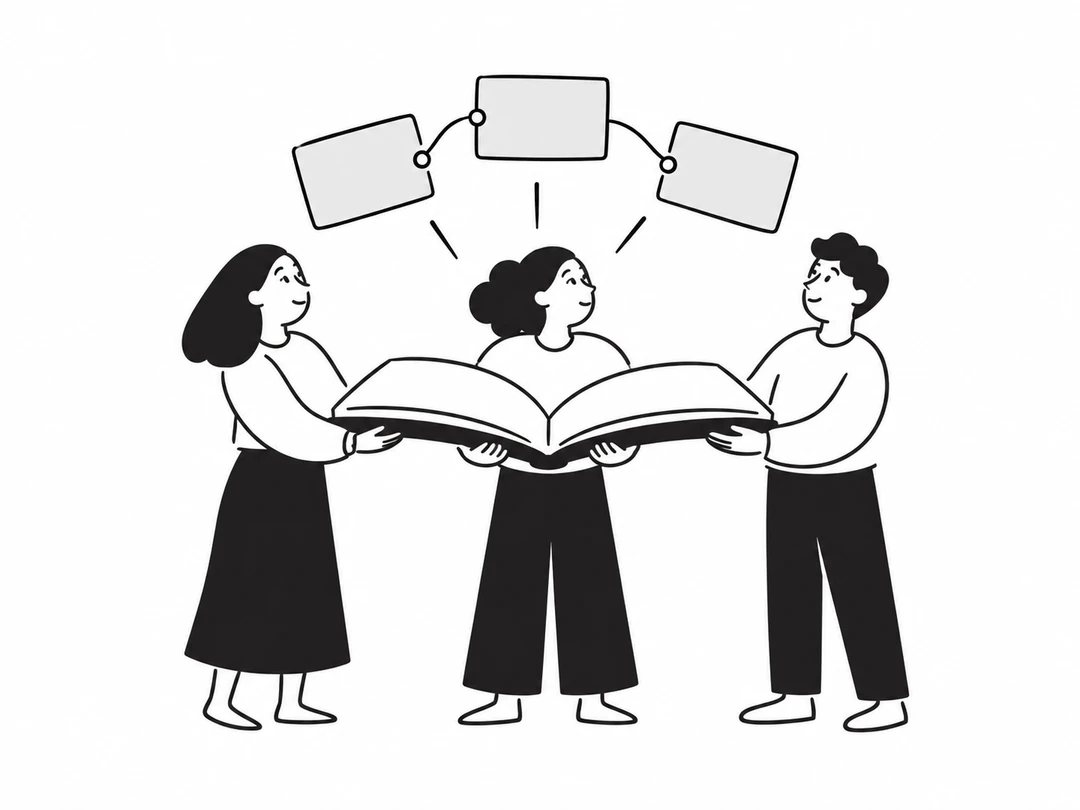
Colleagues sharing knowledge and agreeing ownership

Automate the routine. Plan for the unusual.

Keep judgement where it belongs

Some steps are predictable; others need context or authority. Define the boundary and approval points before allowing a system to change records or send communications.

Colleagues connecting software systems into a shared workflow
Build for operational change

Test missing data, duplicate events, unavailable systems and repeat runs. Agree who can update the process when suppliers, policies or working practices change.

Colleagues reviewing progress at defined checkpoints
Illustrative uses

Where workflow automation helps.

These examples are starting points for discovery. Access, data quality and exception handling determine which parts are suitable to automate.

Colleagues connecting software systems into a shared workflow
Request routing and follow-up

Move enquiries into the right queue, create tasks and track agreed follow-up, with clear rules for missing details and overdue work.

Document and information processing

Extract or organise suitable information, validate required fields and send uncertain results for review before they reach another system.

Approvals and onboarding

Coordinate forms, checks and tasks across teams. Keep authorisation with the accountable person and record progress and exceptions.

Reporting and reconciliation

Bring data together and flag differences for investigation. Agree source ownership, matching rules and review before relying on the result.

How delivery works

A practical route into operation.

  1. 01

    Agree the scope

    Define the problem, audience, dependencies and what a useful result would look like.

  2. 02

    Design the workflow

    Map information, system connections, permissions, handovers and exceptions.

  3. 03

    Build and test

    Review a bounded implementation against representative cases and agreed acceptance criteria.

  4. 04

    Roll out and review

    Agree ownership, support, monitoring and how changes will be evaluated after launch.

Related services

AI in ActionChat and knowledgeVoice and telephonyIntegration and softwareAI-assisted agentsAI ReadinessAI StrategyAI Governance

Before we start

Practical questions.

Where is the best place to start?

Start with a repeated task that takes time, creates rework or holds up a service. We help assess the opportunity and choose a focused first workflow with a clear way to measure the improvement.

Can you work with the systems we already use?

We look for practical ways to connect your existing platforms, using their features and APIs where possible. Where another approach such as RPA is useful, we explain how it would work and how to keep it supported.

How do you keep the workflow running smoothly?

We build validation, clear progress tracking and recovery into the design. Your team can see work that needs attention and has an agreed way to resolve it, making the automation easier to operate day to day.

How will we see the value?

We agree useful measures at the start, such as handling time, rework, waiting or capacity. A focused rollout gives you evidence to compare with the starting point and helps you decide where further automation is worthwhile.

Bring us one workflow worth improving.

Tell us what starts the work, which systems are involved and where time is lost. We will help assess a manageable first scope and how to measure it.

Discuss a workflow
© 2017- 2026 Disruption Works Ltd - Reg: 10761509. All rights reserved.