
AI in Action

Useful agents. Clear boundaries.

Use AI-assisted agents where a workflow needs to interpret information and choose between defined next steps. We design the permitted actions, system connections and human review around a bounded operational task.
Discuss an agent workflow
An operations specialist reviewing tasks on a tablet beside monitoring equipment
Where agents fit

Start with a useful, bounded task.

A defined job
Choose a useful scope with observable results.

Map the inputs, decisions and actions. If a straightforward rule or workflow meets the need, use that before introducing a more variable AI-assisted step.

Control what can happen
Permission and approval are part of the design.

Limit access to the data and tools needed for the task. Require approval for consequential actions and define how the workflow stops or returns to a person.

Connect to your operation
An agent needs reliable routes into existing systems.

Assess API access, data quality and supplier constraints. Record attempted actions and failures so your team can understand and recover the workflow.

AI-assisted agents

A bounded route from experiment to useful work.

A colleague assessing connected systems and identifying gaps
Define the task. Test the decisions. Keep ownership clear.

We agree the intended outcome and operating limits before building. Delivery can include workflow design, integrations, evaluation, approval steps and training for the team supervising it.

  • Task definition: A specific outcome, permitted actions and stopping conditions.
  • Human review: Approval points, exception queues and a way to intervene.
  • System access: Least-privilege connections and validation before records change.
  • Evaluation: Representative cases, failure tests and ongoing review responsibilities.
Protect the operational boundary

Test untrusted inputs, missing information and requests outside the task. Do not rely on a prompt alone to enforce access or prevent an unwanted action.

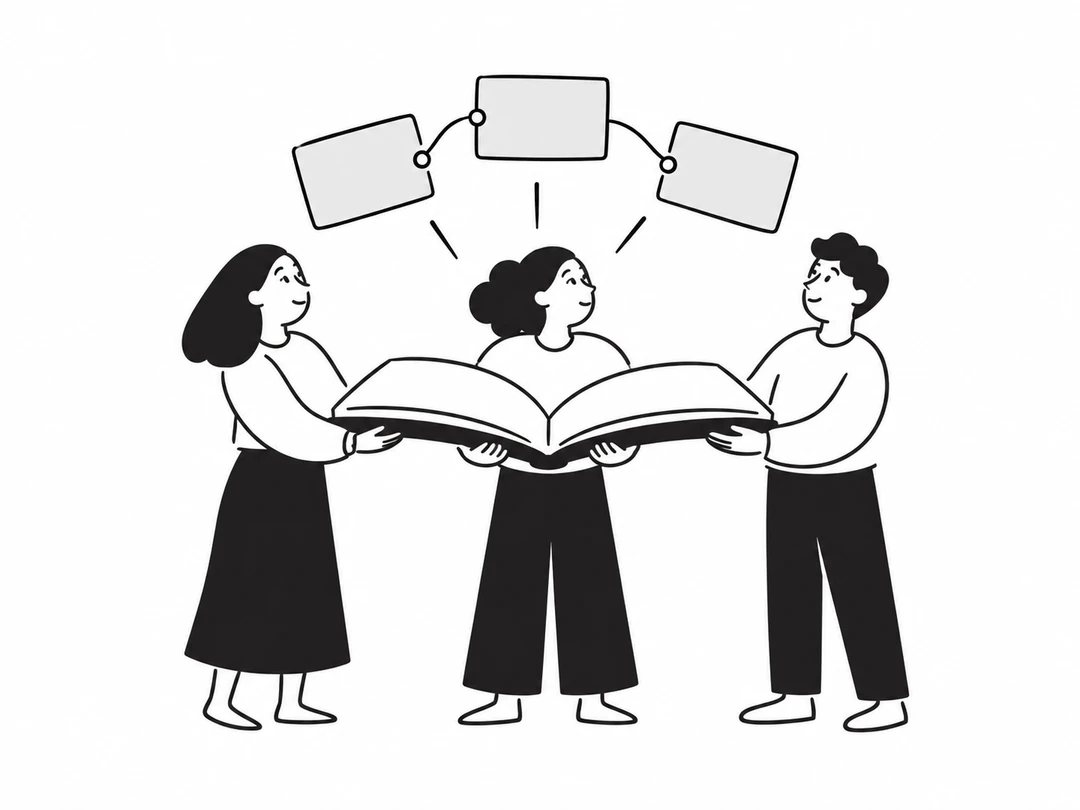
People balancing decisions with human oversight and checks
Give the team a workable role

Agree who reviews results, resolves exceptions and approves changes. Include the time needed for supervision when assessing the value of the workflow.

Colleagues sharing knowledge and agreeing ownership

Where an agent adds value—and where it does not.

Interpretation alongside rules

An agent may help interpret a request or select a next step when inputs vary. Rules, validation and explicit approvals still provide the structure around the work. Compare this with ordinary workflow automation before choosing an approach.


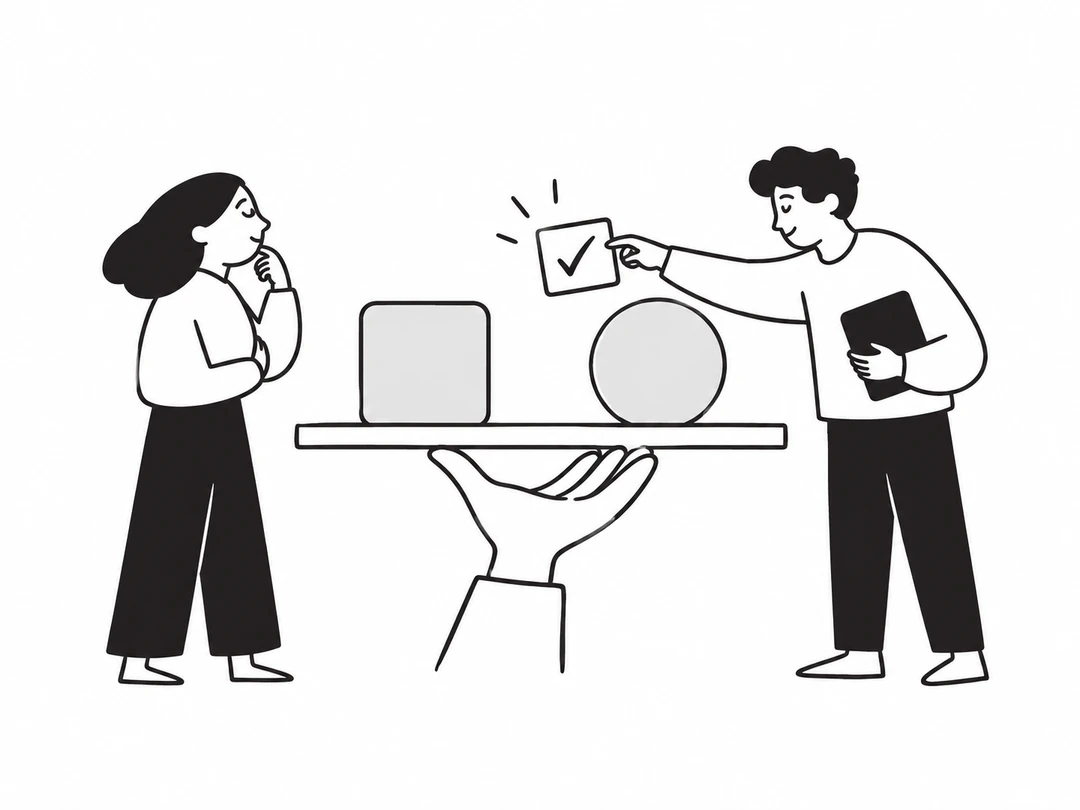
A colleague comparing options before choosing the next step
Evidence before wider autonomy

Start with a small scope and review outputs against known examples. Increase permissions only when the evidence and accountable owners support it. Logs help investigation; they do not guarantee that an AI-generated decision is correct.


People balancing decisions with human oversight and checks
Illustrative uses

Possible tasks worth assessing.

These examples describe bounded supporting tasks, not autonomous authority over people, finances or regulated decisions. Feasibility depends on data access and the controls agreed for the process.

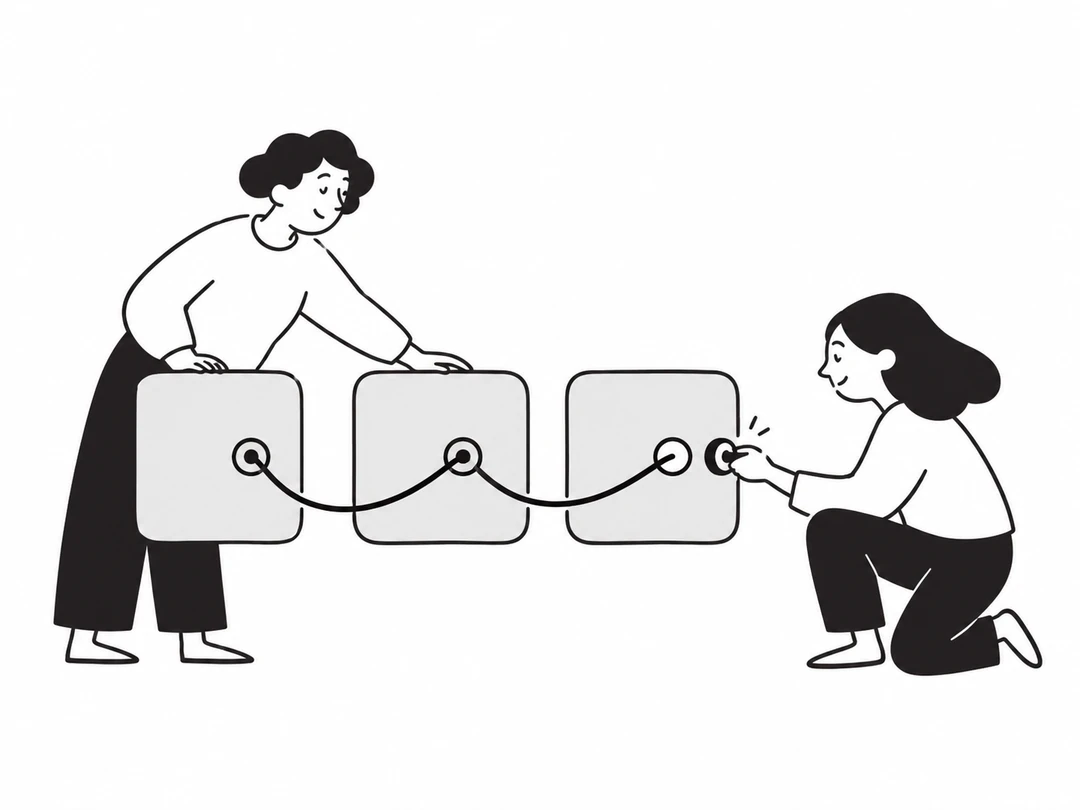
Colleagues connecting software systems into a shared workflow
Drafting operational summaries

Gather permitted information, identify gaps and prepare a draft for an accountable person to check before circulation.

Coordinating service exceptions

Collect context from approved systems and suggest or prepare the next action. Keep changes and customer communications behind the agreed approval.

Research and comparison

Organise findings from approved sources and retain references for review. Treat incomplete or conflicting evidence explicitly rather than presenting it as certainty.

Onboarding coordination

Prepare task lists and track outstanding steps across teams. Keep identity verification, access approval and employment decisions with authorised people.

How delivery works

A practical route into operation.

  1. 01

    Agree the scope

    Define the problem, audience, dependencies and what a useful result would look like.

  2. 02

    Design the workflow

    Map information, system connections, permissions, handovers and exceptions.

  3. 03

    Build and test

    Review a bounded implementation against representative cases and agreed acceptance criteria.

  4. 04

    Roll out and review

    Agree ownership, support, monitoring and how changes will be evaluated after launch.

Related services

AI in ActionChat and knowledgeVoice and telephonyWorkflow automationIntegration and softwareAI ReadinessAI StrategyAI Governance

Before we start

Practical questions.

Where can an AI agent add value?

An agent can help with tasks that involve interpreting information and choosing between agreed next steps. We help identify where this adds value alongside straightforward rules and workflow automation.

How much of a workflow can an agent take on?

We can design an agent to carry out a defined sequence of useful steps, connected to the tools and information it needs. You decide the permissions, approval points and where your team should stay involved.

How do you build confidence in the results?

We test representative cases, validate important outputs and include review and recovery steps. This gives your team practical evidence to assess quality and decide where further automation is appropriate.

How can we get started?

Bring us one task you would like to improve. We will help shape a focused first use case, agree what success looks like and work through the information, tools and ownership needed to put it into practice.

Bring us a task with clear boundaries.

Tell us what information the task uses, which actions it involves and where judgement or approval must remain with people. We will assess whether an agent is useful and how to test it.

Discuss an agent workflow
© 2017- 2026 Disruption Works Ltd - Reg: 10761509. All rights reserved.