

AI in Action

Put AI to work.

Build useful AI into the work your team already does. We design, connect and test voice, chat, automation and software solutions around a clear operational need.
Discuss implementation
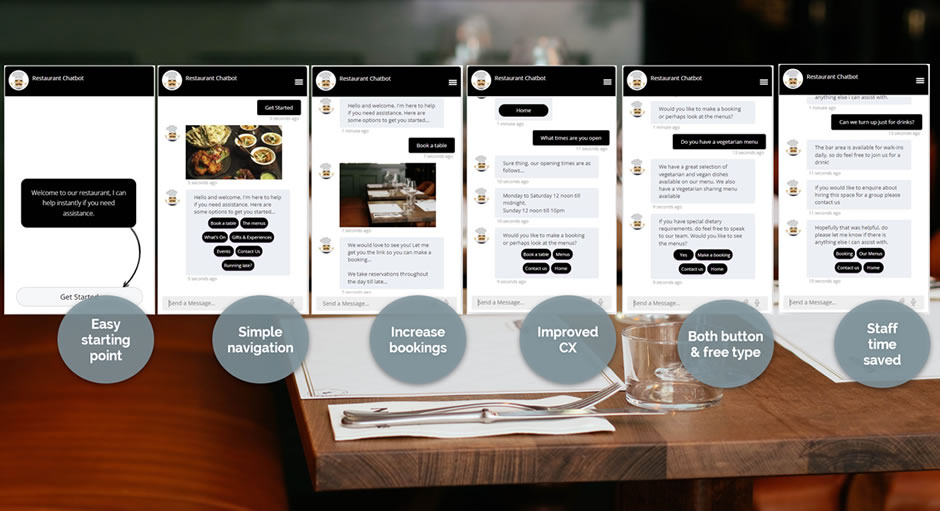
Colleagues testing a practical workflow with a laptop and checklist

Illustrative image generated with AI.

Connect your systems
Give the solution access to the right information.

Review your existing systems before deciding whether to integrate or improve them. Define permissions, data flows and how exceptions will be handled.

Improve a real workflow
Build around a task that matters to your team.

Choose an approach that fits the process, whether that means AI, conventional automation or custom software. Test the normal journey and the exceptions before extending the scope.

Support adoption
Give people the knowledge and control to use it.

Agree ownership, training and escalation routes. Make the solution's limits clear, and plan how performance and changes will be reviewed.

Customer enquiries

Repeated questions can consume time that your team needs for more involved support.

Explore suitable voice or chat support with trusted information and an explicit route to a person.

Repeated administration

Moving information between disconnected tools adds work and creates opportunities for mistakes.

Map the workflow, test the integration and decide which steps can be automated with appropriate checks.

Delivery capabilities

Use the right combination for the problem:
voice, chat, automation, integration and software development.

AI-assisted workflows
Support multi-step tasks such as preparing a draft, finding information or coordinating a service request.

Define what the AI may do, what it must record and which actions require a person's approval.
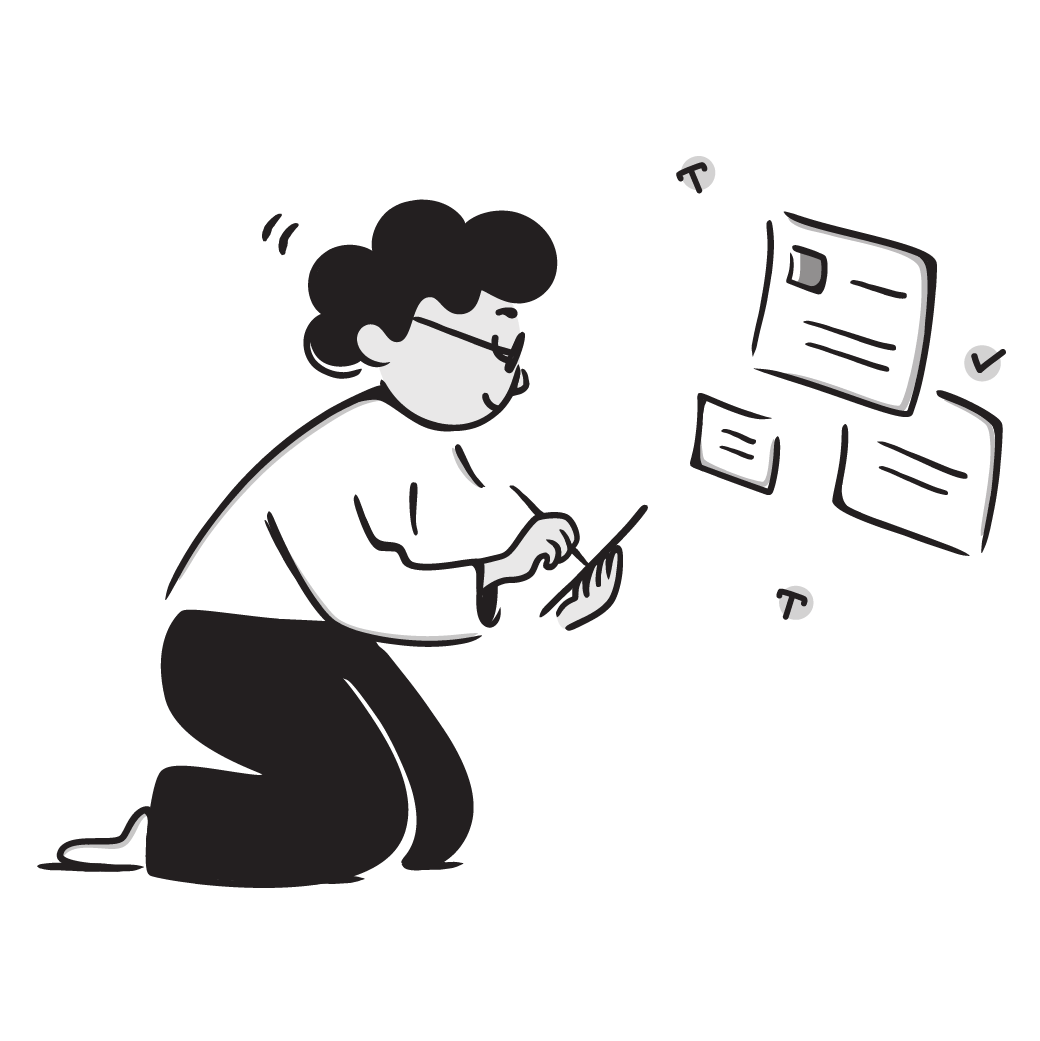
A colleague assessing connected systems and identifying gaps
Process automation
Reduce repeated data entry, routing and handoffs using rules, integrations and AI where appropriate.

Include exception handling and a clear way to recover when a step fails.
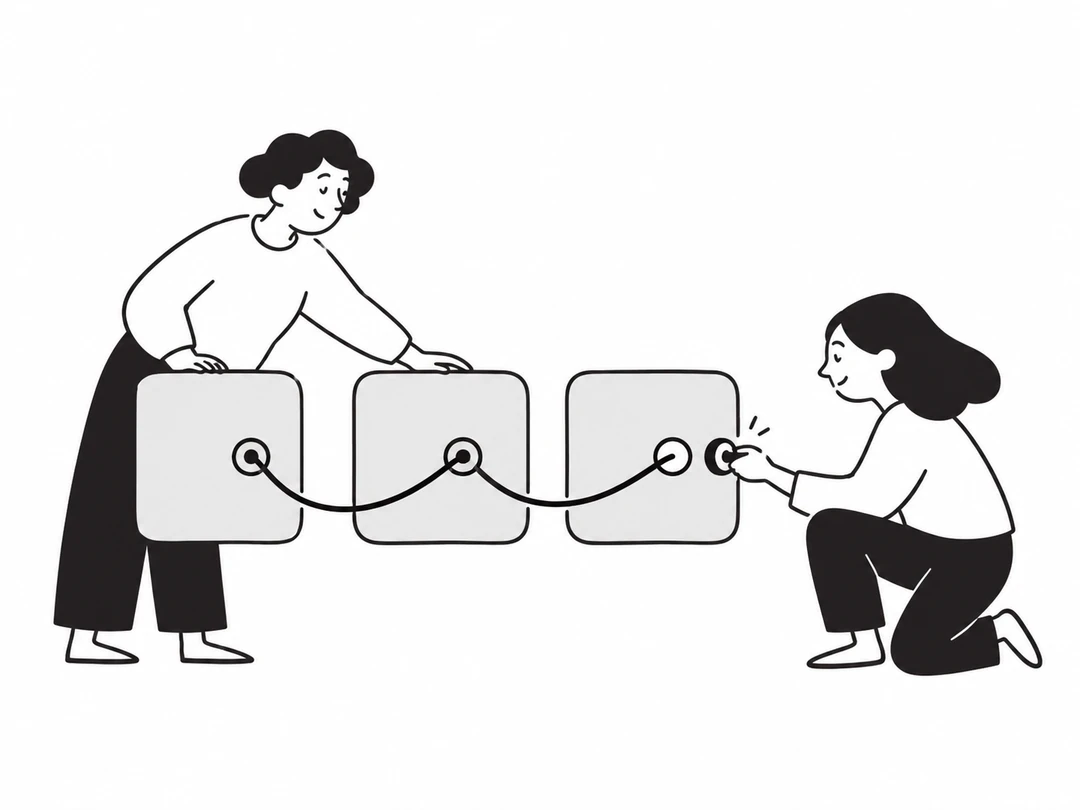
Colleagues connecting software systems into a shared workflow
Chat and knowledge
Help customers or staff find answers from approved information through a conversational interface.

Connect relevant systems where needed, and make uncertainty and handover to a person explicit.
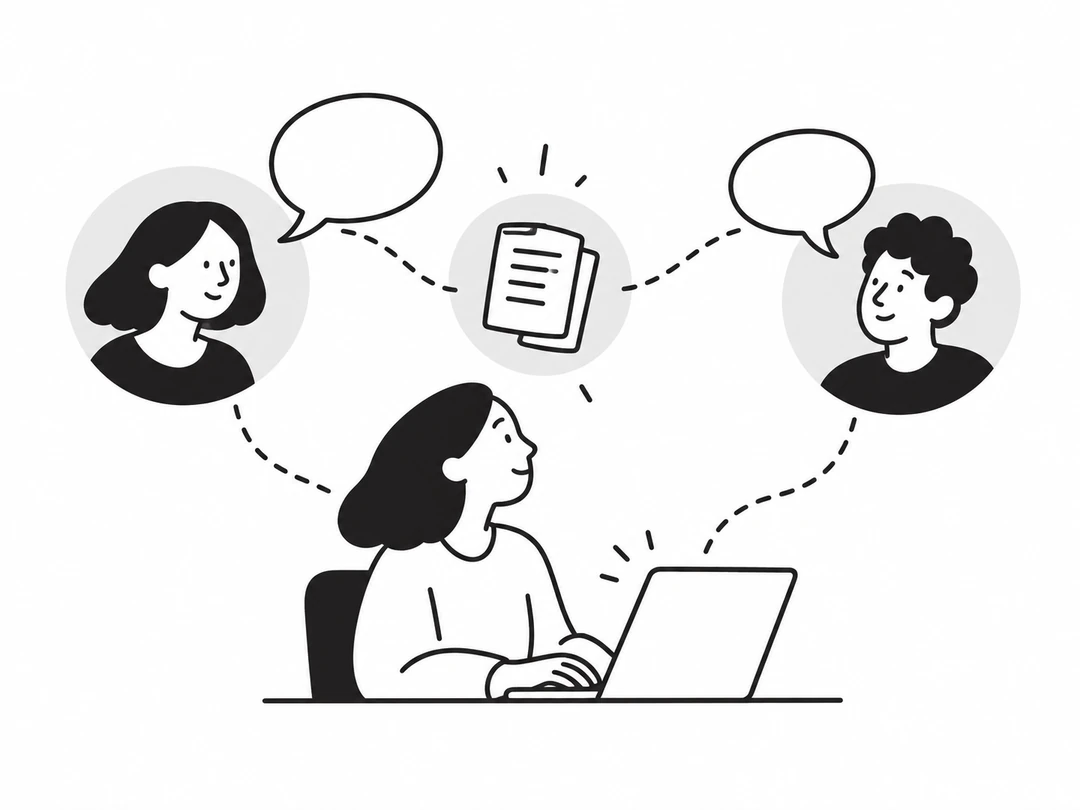
A support worker connecting people, information and conversations
Voice and telephony
Handle appropriate routine phone enquiries, gather information and route callers to the right next step.

Design for interruptions, misunderstood requests and callers who need human support.
A support worker connecting people, information and conversations
Integration and software
Connect existing platforms and build the software needed to make the workflow usable. Review the available APIs, access controls and maintenance needs.

Make ownership and support part of the design.
Colleagues connecting software systems into a shared workflow
What delivery includes

From a defined problem to a tested solution.

Colleagues connecting software systems into a shared workflow
An agreed scope, a working pilot and a controlled route into use.

We agree acceptance criteria, data access and responsibilities before the build. Start with approved test or demonstration data, validate the workflow and plan rollout around the people who will use it.

  • A bounded pilot: A working version with a defined scope and test criteria.
  • System connections: Agreed integrations, permissions and error handling.
  • Operational controls: Human review, logging and escalation appropriate to the workflow.
  • Handover and support: Training, documentation, ownership and an agreed approach to maintenance.

A joined-up service

Bring conversation design, automation and software integration together around the complete journey, including the points where someone needs help.

Scale after you learn

Review the pilot against its acceptance criteria. Expand when the evidence and operational support justify it.

Build it into the way you work.

Work with the systems you have

Understand the capabilities and constraints of your existing platforms before committing to a design. Review integration options and ownership.

Test access, data quality and recovery paths early so a convincing demonstration can become a supportable service.

Colleagues connecting software systems into a shared workflow
Measure what changes

Set useful measures during AI Strategy or implementation planning.

Track service quality, manual effort and exceptions, and agree how to review performance over time.

Give the team a clear way to report issues and request changes.

Colleagues reviewing progress at defined checkpoints
Illustrative applications

Practical work. Clear boundaries.

These examples describe possible engagements for businesses and charities. The right approach depends on your systems, information and service responsibilities.

A support worker connecting people, information and conversations
Service request handling

Connect intake, routing and progress information so staff can see what needs attention. Keep exceptions visible and agree when a person should intervene.

Connected customer support

Link a conversational service to approved customer information, with suitable identity checks, permissions and handover routes.

A focused pilot

Test a proposed workflow using approved demonstration data. Validate behaviour and operational needs before authorising broader use.
‍

Charity knowledge and coordination

Help staff find trusted guidance and coordinate tasks, with clear responsibility for information, permissions and escalation to the appropriate person.

How delivery works

Build, test and learn before expanding.

  1. 01

    Define

    Agree the workflow, scope, measures and responsibilities.

  2. 02

    Build

    Create a working version with approved data and agreed system access.

  3. 03

    Validate

    Test common journeys, exceptions, human handovers and recovery.

  4. 04

    Roll out

    Authorise the next stage with training, ownership and support in place.

Before we build

Planning the implementation.

Can you work with our existing systems?

We review the available interfaces, access and constraints first. That establishes what can connect and where changes may be needed.

Do you always use AI?

No. A rules-based workflow, integration or simpler process may be more suitable. The problem determines the approach.

Will a pilot use live customer information?

Only with an agreed purpose, permissions and controls. Start with synthetic or approved demonstration data where possible.

Who looks after the solution after launch?

Ownership, training, maintenance and support arrangements are agreed as part of delivery, with clear routes for issues and changes.

Explore the delivery capabilities.

Chat and knowledgeVoice and telephonyWorkflow automationIntegration and softwareAI-assisted agents
Bring a real workflow.

Tell us what your team is trying to do, which systems are involved and where the work gets stuck. We will discuss a practical route into implementation.

Discuss AI in Action
© 2017- 2026 Disruption Works Ltd - Reg: 10761509. All rights reserved.